So You Want to Go Tent Camping in Ontario? Let's Talk.
ONTARIO TRAVEL
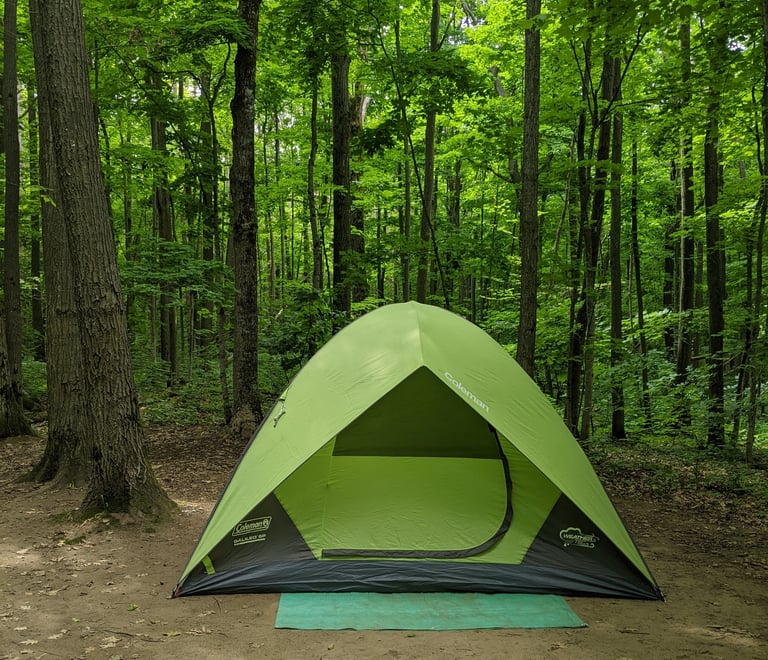
Ontario is kind of wild when it comes to camping options — and I mean that in the best possible way. Whether you're a total newbie who's never slept on anything less comfortable than a pillow-top mattress, or a seasoned backpacker who thinks sleeping pads are for the weak, there's genuinely something here for you. The province has over 330 provincial parks, several federally managed national parks, thousands of lakes, and more Crown land than most people know what to do with. So yeah, you've got choices.
Let me break down the main ways you can pitch a tent in this province.
Provincial Park Camping: The Classic Move
If you've never camped in Ontario before, starting with a provincial park is honestly the move. Parks like Algonquin, Killarney, The Pinery, and Sandbanks are well-loved for good reason — they've got maintained campsites, washrooms (sometimes even showers!), and a ranger nearby if you accidentally mistake a raccoon for a bear at 2am.
Algonquin Provincial Park is basically the crown jewel. It's massive — over 7,600 square kilometres — and you can do anything from a basic car camping site near the highway to a deep interior canoe-camping trip where you won't see another soul for days. If you go in the fall when the leaves turn, just be prepared to have your breath taken away. Like, actually budget time for standing around staring at trees.
Killarney is another stunner, famous for its white quartzite ridges and crystal-clear lakes. A bit more rugged and less crowded than Algonquin, which a lot of people prefer. The La Cloche Silhouette Trail is one of the most iconic backcountry routes in the province — fair warning though, it's not a casual weekend stroll.
Sandbanks near Prince Edward County is a totally different vibe. We're talking massive sand dunes, warm lake water, and a more beach-holiday feel. It's extremely popular in summer, so book early — and by early I mean like, the day reservations open in January. No joke.
Reservations matter. Ontario provincial parks use the ontario.ca/camping reservation system and spots fill up fast, especially for summer weekends. The booking window opens five months in advance and if you're not clicking refresh right at 7am, you might miss your spot.
Backcountry and Interior Camping: For the Adventurous Souls
If you want to really get away from it all, Ontario's backcountry camping scene is incredible. Most provincial parks with interior access require a permit, and you'll usually need to paddle, hike, or portage your way in. It's more work, but man, waking up on a remote lake with loons calling across the water? Worth every blister.
The essentials for going backcountry in Ontario:
Bear canister or hang your food — Ontario has both black bears and regulations about food storage
A good map and compass (don't rely solely on your phone — service is spotty at best)
Leave No Trace principles — pack out everything you pack in
A permit — get it through the park before you go
Killarney, Algonquin, Quetico (if you're out west near the Manitoba border), and Lady Evelyn-Smoothwater are top picks for serious backcountry adventures. Quetico in particular is a canoeist's paradise — remote, stunning, and feels like stepping back in time.
Crown Land Camping: The Secret Weapon
Here's something a lot of Ontario campers don't fully appreciate: Crown land camping is free and legal in most parts of the province. Ontario has a massive amount of publicly owned land, and as long as you follow the rules (no camping within 30 metres of a water body in most areas, no camping longer than 21 days in one spot, no campfires during fire bans), you can pitch your tent for free almost anywhere outside of protected areas.
This is huge if you're on a budget, or if you just love the freedom of showing up and picking your own spot. Apps like Gaia GPS and onX Hunt can help you identify Crown land boundaries, and the Ontario government has resources online too.
Just do your homework first. Not all land is Crown land, and you definitely don't want to set up camp on someone's private property without permission.
National Parks: Federally Funded, Nationally Gorgeous
People sometimes forget that Ontario has national parks too, managed by Parks Canada rather than the province. They're a different vibe from provincial parks — often with more infrastructure, more visitor services, and a bigger international crowd — but absolutely worth putting on your radar.
Bruce Peninsula National Park is probably the most well-known Ontario national park for tent campers. Situated on the tip of the Bruce Peninsula between Georgian Bay and Lake Huron, it's famous for its rugged limestone cliffs, turquoise water that genuinely looks Caribbean, and the iconic Grotto — a sea cave that people make special trips just to see. The Cyprus Lake campground is the main tent camping hub here, and it books up incredibly fast. Reservations open in January through the Parks Canada reservation system and disappear embarrassingly quickly.
Pukaskwa National Park on the north shore of Lake Superior is for people who want the real deal — wild, remote, and a little humbling. It's Ontario's only wilderness national park, and the Coastal Hiking Trail through it is considered one of the toughest and most spectacular hikes in the country. If you go, you'll feel like you've earned it. Tent camping is available at the Hattie Cove frontcountry campground, and backcountry sites are accessible along the coastal trail.
Georgian Bay Islands National Park is a unique one — it's a collection of over 60 islands scattered across Georgian Bay, accessible only by boat or water taxi. You literally need to boat to your campsite, which is either a dealbreaker or the coolest thing you've ever heard depending on your personality. The camping is rustic and beautiful, and the Canadian Shield landscape is like nothing else.
Point Pelee National Park down in southwestern Ontario doesn't have traditional tent camping within the park itself, but it's famous as a birdwatching destination and the southernmost tip of mainland Canada. Worth a day trip if you're camping in the area.
National park camping reservations go through reservation.pc.gc.ca — separate from the Ontario provincial park system — so keep that in mind when you're planning.
Conservation Areas and Private Campgrounds: Rounding Out the Options
Beyond provincial and national parks and Crown land, Ontario has hundreds of conservation area campgrounds managed by local conservation authorities. These are often smaller, less polished, and sometimes more affordable. They can be hidden gems — especially if the more popular parks near you are fully booked.
Private Campgrounds: Great For Families
Private campgrounds deserve their own proper mention. Look, not every camping trip needs to be a wilderness survival test. Sometimes you want a hot shower that doesn't require quarters, a camp store where you can grab forgotten marshmallows, a swimming pool for the kids, and maybe even a little mini-golf situation. Private campgrounds deliver all of that, and there's no shame in it.
Ontario has hundreds of privately owned campgrounds spread across the province. KOA (Kampgrounds of America) locations dot the province and are reliable in terms of amenities and cleanliness. But some of the best private spots are independently owned family operations that have been running for decades — the kind of places with a little store that sells bait, ice cream, and firewood and where the owners know half the families by name because they've been coming back every summer for twenty years.
Good spots to look: the Kawarthas, Prince Edward County, Haliburton Highlands, and the Muskoka region are all packed with solid private campground options within a few hours of Toronto. Sites like Camping in Ontario (campinginontario.ca) and The Dyrt are useful for finding and reviewing private campground options.
The tradeoff with private campgrounds is that you're usually sacrificing some of that wild, untouched feeling. But if you're introducing someone to camping for the first time, or bringing young kids, or just want a more relaxed experience, they're genuinely great.
A Few Practical Tips Before You Go
Bugs are real. Ontario's black flies in late May and June are not to be underestimated. Mosquitoes hang around all summer. Bring DEET, a head net if you're sensitive, and just mentally prepare yourself. It's part of the experience.
Weather can turn fast. Especially in northern Ontario. What starts as a sunny weekend can turn into three days of rain if you're unlucky. Invest in a good quality tent and don't skip the footprint.
The best time to camp in Ontario is generally late June through September — warm enough to enjoy the water, buggy enough to remind you you're in the wilderness, and stunning enough to make you want to come back every year.
Book early, especially for the iconic spots. Algonquin interior permits, Killarney, Sandbanks — these fill up within hours of opening. Set a reminder and don't procrastinate.
Ontario is genuinely one of the best places in the world for tent camping, and I don't say that lightly. Whether you want a cozy lakeside site in a provincial park, a rugged national park experience, a remote backcountry adventure, a totally free Crown land setup, or a comfortable private campground with all the amenities — this province delivers. The lakes are gorgeous, the forests go on forever, and once you've had your morning coffee next to a misty Canadian lake, you'll wonder why you ever spent weekends doing anything else.
Now stop reading and go book something. Summer fills up faster than you think.
camppiblog@gmail.com
This website may contain affiliate links, which means that I may earn a commission if you click on the link and make a purchase. However, please note that my recommendations are based on my personal experience and research, and the inclusion of affiliate links does not influence my content or recommendations.