How to Choose the Best Campsite for Your Tent
BACKCOUNTRYONTARIO TRAVELSURVIVAL TIPS
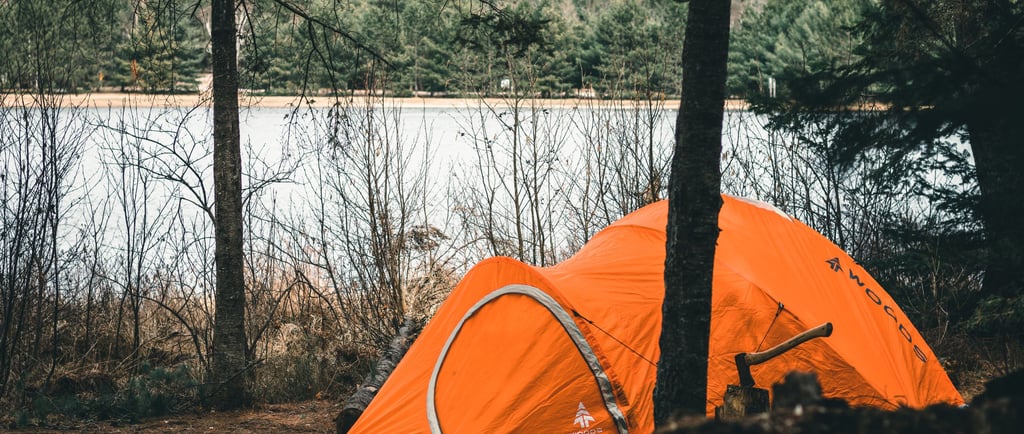
There’s nothing quite like arriving at a campground after a long day outdoors, setting up your tent, and settling in for the night. But choosing the wrong campsite can quickly turn an enjoyable camping trip into a frustrating experience. A beautiful view won’t matter much if you spend the night sleeping on a slope, battling mosquitoes, or waking up in a puddle after a rainstorm.
Whether you're camping at a campground or in the backcountry, here are some simple tips to help you choose the best campsite for your tent.
Start by Looking for Flat Ground
One of the first things to check is whether the ground is level. It might look flat at first glance, but even a slight slope can make sleeping uncomfortable. Nobody enjoys sliding toward the bottom of their tent all night.
Take a few moments to walk around the site and look at it from different angles. If you're unsure, place a water bottle on the ground and see if it rolls.
Stay High and Dry
When it comes to campsites, higher ground is usually better. Low spots can collect water during rainstorms, turning your campsite into a muddy mess.
Avoid setting up in:
Depressions or bowls
Dry creek beds
Areas with obvious water runoff channels
Ground that feels unusually soft or soggy
A slightly elevated area helps keep your tent dry and comfortable.
Look Up Before You Set Up
Many campers focus on the ground but forget to check what’s overhead.
Look for:
Dead or damaged tree branches
Leaning trees
Trees that appear diseased or unstable
These hazards, sometimes called "widowmakers," can fall unexpectedly, especially during windstorms.
Take Advantage of Natural Wind Protection
A gentle breeze can be refreshing, but strong winds can make camping miserable.
Look for natural windbreaks such as:
Groups of healthy trees
Large rock formations
Hillsides
At the same time, avoid camping directly underneath isolated trees that could attract lightning during storms.
Consider the Morning Sun
Think about how the sun will affect your campsite.
If you enjoy sleeping in, a shady site may be your best option. If you prefer to wake up with the sunrise and dry out any morning condensation quickly, choose a site that gets early sunlight.
During hot summer months, afternoon shade can make a huge difference in comfort.
Watch for Signs of Wildlife
One of the joys of camping is being close to nature, but you don't want wildlife wandering through your campsite all night.
Look for:
Animal tracks
Droppings
Well-worn game trails
Nearby food sources such as berry bushes
Animals often use the same routes repeatedly, so it's best not to set up directly in their path.
Stay Close to Water—But Not Too Close
Camping near a lake, river, or stream can be convenient and scenic. However, setting up right beside the water often means more insects, damp conditions, and potential flooding if water levels rise.
A good rule of thumb is to camp a reasonable distance away while still maintaining easy access.
Check the Tent Surface
Before pitching your tent, clear away:
Sharp rocks
Pine cones
Large sticks
Other debris
Even small objects can become surprisingly uncomfortable after several hours of sleeping on them.
Respect the Environment
Whenever possible, use existing campsites rather than creating new ones. Established sites help minimize environmental impact and preserve natural areas for future visitors.
Follow the principle of leaving the campsite in the same—or better—condition than you found it.
Don't Rush the Decision
After hiking all day, it's tempting to choose the first available spot and start setting up immediately. However, spending an extra ten minutes exploring nearby options can make a huge difference in comfort and safety.
The best campsite is rarely the first one you see.
One Last Thing
Choosing a good campsite is one of the most important skills a camper can learn. A level surface, good drainage, protection from wind, and awareness of your surroundings can dramatically improve your camping experience.
The next time you head out with your tent, slow down and take a careful look around before setting up camp. A little extra effort when choosing your site can lead to a safer, more comfortable, and far more enjoyable night under the stars. Happy camping!
camppiblog@gmail.com
This website may contain affiliate links, which means that I may earn a commission if you click on the link and make a purchase. However, please note that my recommendations are based on my personal experience and research, and the inclusion of affiliate links does not influence my content or recommendations.